
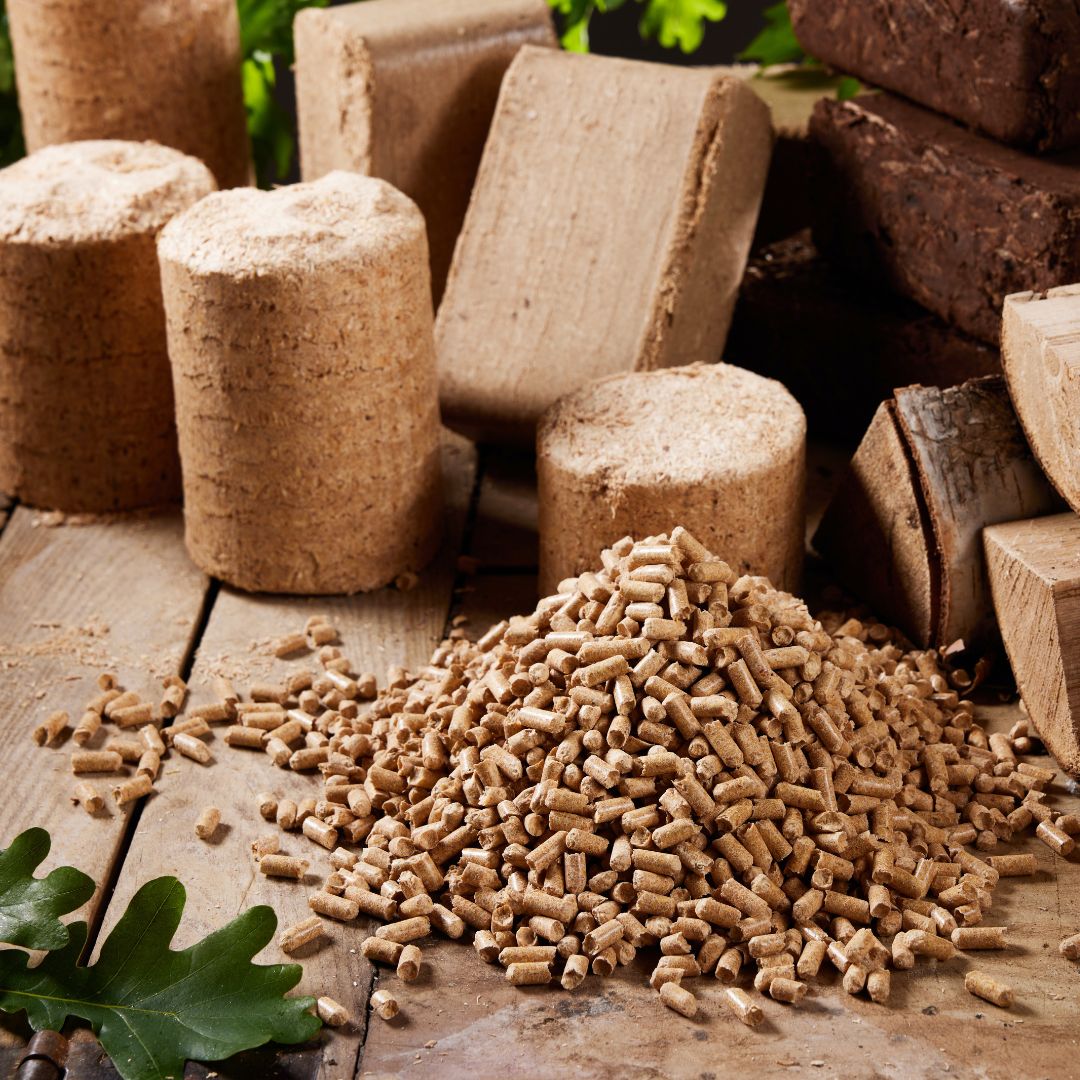
Transforming agricultural and vegetable waste into effective fuel is now easier than ever due to advanced briquetting press technology. These innovative machines facilitate the conversion of biomass, including sawdust, straw, and other organic waste, into compact and dense briquettes, ideal for heating and other energy applications. Utilizing a briquetting press helps to reduce waste volume and provides an environmentally friendly and cost-effective solution for resource management. Selecting the appropriate briquetting press can yield substantial benefits for both the environment and the energy costs of households or businesses. The market offers a variety of briquette presses, each with distinct characteristics and advantages. It is crucial to comprehend the differences between these types of equipment and the selection criteria to make an informed choice.
Types of Briquetting Presses
Briquetting presses are available in several types, each tailored for different needs and biomass types. Among the most common are mechanical briquetting presses and hydraulic presses. Mechanical presses are often preferred for large-scale production due to their high efficiency and lower operating costs. These presses utilize mechanical force to compress biomass into a dense and uniform shape, making them ideal for materials such as sawdust and straw. In contrast, hydraulic presses are known for their versatility and ability to process a wider range of materials, including biomass with higher moisture content. They employ hydraulic pressure to compress the material, providing precise control over the density and quality of the produced briquettes. Hydraulic presses are particularly suitable for industrial applications that require greater flexibility in processing diverse types of waste.
Criteria for Choosing a Briquetting Press
Selecting the right briquetting press necessitates consideration of several essential criteria. Production capacity is one of the most crucial factors, ensuring that the equipment meets your daily or monthly production needs. It is also important to assess the press's energy efficiency to lower operational costs and reduce environmental impact. The durability and reliability of the equipment are vital to enable trouble-free long-term operation. High-quality construction materials and robust design are key factors that contribute to the longevity of the press. Furthermore, the availability of technical support services and spare parts is critical to minimize downtime and ensure continuous production.
Benefits of Using a Briquetting Press
The use of a briquetting press provides numerous economic and environmental advantages. Producing your own briquettes can significantly reduce energy costs, offering an affordable and effective fuel source. Briquettes made from biomass represent an eco-friendly alternative to fossil fuels, contributing to lower greenhouse gas emissions and environmental protection. In addition to the economic and ecological benefits, briquetting presses also provide a practical solution for waste management. Agricultural and vegetable waste can be efficiently transformed into briquettes, thereby reducing waste volume and offering a convenient means of utilization. Additionally, briquettes are easy to store and transport, making them suitable for various energy applications.
Maintaining and Operating the Briquetting Press
Proper handling and efficient operation of the briquetting press are essential for ensuring a long lifespan and trouble-free equipment operation. It is important to follow the manufacturer's instructions for regular cleaning and lubrication of the machine, as well as inspecting and replacing worn parts. Regular maintenance not only enhances the press's performance but also prevents defects that could lead to high repair costs. It is also essential to ensure that machine operators are well-trained and adhere to all recommended safety measures. Correct operation includes constant monitoring of the raw material's quality, adjusting machine settings based on the type of processed biomass, and continuously overseeing the briquetting process to guarantee high-quality production. Investing in adequate staff training and adherence to maintenance procedures will contribute to maximizing the efficiency and reliability of the briquetting press.
Future Trends and Innovations in Briquetting
Briquetting technology has evolved significantly in recent years, and the future holds ongoing innovations and enhancements that will improve efficiency and affordability in the process. One emerging trend is the integration of automation and artificial intelligence into briquetting equipment. These technologies facilitate real-time monitoring and adjustment of the production process, optimizing the yield and quality of briquettes. For instance, advanced sensors and machine learning algorithms can analyze biomass characteristics in real time, automatically adjusting machine parameters to ensure optimal compression and consistent briquette density. This not only reduces manual intervention but also minimizes the risks of errors and malfunctions.
Additionally, future briquetting presses are anticipated to be more energy-efficient, employing new compression technologies and more efficient motors. This will help reduce operational costs and mitigate environmental impact. The use of new materials and construction technologies is expected to enhance equipment durability, ensuring a longer lifespan and superior performance. Furthermore, there will be an emphasis on developing modular and flexible solutions that allow easy adaptation to various biomass types and production conditions. These innovations will make briquetting more accessible and efficient for a wider range of users, from individual households to large industrial producers.
Conclusion
Choosing the right briquetting press is a key step in efficiently and sustainably harnessing biomass resources. By understanding the available types of presses, evaluating essential selection criteria, and recognizing the benefits of using a briquetting press, you can make an informed decision that meets your needs and objectives. Whether you are a small manufacturer or an industrial company, a quality briquetting press will provide you with the flexibility and efficiency required to convert waste into effective fuel. Investing in sustainable and efficient equipment, such as those offered by reputable brands like Agro Bio Brichet, will ensure that you produce high-quality briquettes with a positive environmental impact. By adopting this technology, you will not only reduce costs and protect the environment but also contribute to a greener and more sustainable future.